

Professional illustration about Maryland
Maryland Travel Guide 2025
Maryland Travel Guide 2025
Planning a trip to Maryland in 2025? This multicultural state offers a perfect blend of historic landmarks, natural beauty, and urban excitement. Whether you're exploring the bustling streets of Baltimore, relaxing by the Chesapeake Bay, or hiking the Appalachian Mountains, Maryland’s diversity ensures something for every traveler. Start your journey in Baltimore, where the Inner Harbor dazzles with waterfront dining, the National Aquarium, and the historic Fell’s Point district. Don’t miss the University of Maryland’s flagship campus in College Park, a hub for innovation and research, especially if you're interested in education or tech-driven economic development.
For outdoor enthusiasts, the Delmarva Peninsula and Atlantic Ocean coastline provide pristine beaches like Ocean City, while the Potomac River offers kayaking and scenic trails. Environmental conservation efforts have preserved gems like Assateague Island, where wild horses roam freely. History buffs will appreciate Maryland’s colonial history, from Annapolis’ 18th-century architecture to the Native American heritage sites like the Piscataway Park. The state’s political history is equally rich—visit the Washington, D.C. border to see how Maryland’s Democratic Party and Republican Party influences shape local policies.
Maryland’s tourism industry thrives on its multicultural communities. In Baltimore, the African American Heritage Trail highlights figures like Thurgood Marshall, while the LGBTQ scene in Mount Vernon pulses with vibrant nightlife. Foodies will love Maryland’s iconic blue crabs and crab cakes, best enjoyed at waterfront shacks or upscale spots like The Crab Claw in St. Michaels. For a spiritual touch, visit the Basilica of the National Shrine in Baltimore, a landmark for the Catholic community.
Transportation infrastructure makes getting around easy, with the Baltimore-Washington International Airport (BWI) and efficient rail systems connecting major cities. If you’re road-tripping, the scenic Chesapeake Bay Bridge is a must-cross. With its population density concentrated in urban centers, Maryland balances city energy with serene escapes—perfect for a 2025 adventure. Whether you're here for the historic landmarks, natural resources, or cutting-edge health care and tech hubs, Maryland delivers an unforgettable experience.
Pro tip: Check local event calendars for 2025—festivals like the Preakness Stakes or Artscape in Baltimore add extra flair to your visit. And if you’re driving, pack a cooler for a picnic by the bay—few states blend history, nature, and modernity as seamlessly as Maryland.
Professional illustration about University
Best Places in Maryland
Maryland is packed with diverse destinations that cater to every interest, from bustling urban hubs to serene natural escapes. If you're looking for economic development and innovation, Baltimore stands out with its thriving health care sector and world-class research institutions like Johns Hopkins University. The city’s historic landmarks, such as the Inner Harbor and Fort McHenry, blend colonial history with modern attractions, making it a hotspot for tourism industry growth. Meanwhile, Washington, D.C.'s proximity adds a unique political and cultural flair, with many Maryland suburbs like Bethesda and Silver Spring offering top-tier transportation infrastructure and multicultural state vibes.
For those drawn to education and research, College Park—home to the University of Maryland—is a must-visit. The area buzzes with youthful energy, cutting-edge tech startups, and a strong focus on environmental conservation, thanks to its proximity to the Anacostia River and Patuxent Research Refuge. Nearby, Annapolis charms visitors with its maritime heritage, cobblestone streets, and the U.S. Naval Academy, reflecting Maryland’s deep ties to the Atlantic Ocean and Chesapeake Bay.
Nature lovers will find paradise along the Chesapeake Bay, where towns like St. Michaels and Crisfield offer fresh seafood, waterfront trails, and kayaking adventures. The bay’s natural resources are a cornerstone of Maryland’s identity, supporting both tourism and local economies. On the opposite end of the state, the Appalachian Mountains provide hiking, skiing, and stunning fall foliage, particularly in Garrett County, where small towns like Oakland celebrate Native American and pioneer history.
Maryland’s political history is equally fascinating, with a strong Democratic Party presence in urban areas and growing Republican Party influence in rural regions like the Delmarva Peninsula. This mix creates a dynamic cultural landscape, evident in places like Frederick, where historic sites coexist with a vibrant LGBTQ community and farm-to-table dining.
For a taste of multicultural Maryland, head to Silver Spring or Rockville, where diverse communities—including large African American and Catholic populations—shape the local food, festivals, and arts scenes. Even lesser-known gems like Ellicott City, with its quaint downtown and flood resilience efforts, highlight the state’s blend of historic preservation and modern adaptability. Whether you’re exploring the Potomac River’s scenic trails or delving into the Eastern Shore’s slow-paced charm, Maryland’s best places offer something for everyone—backed by rich history, diversity, and a forward-thinking spirit.
Professional illustration about Baltimore
Maryland Weather Trends
Maryland Weather Trends in 2025: A Deep Dive into Climate Patterns and Regional Impacts
Maryland’s weather is as diverse as its population, blending coastal influences from the Atlantic Ocean and Chesapeake Bay with mountainous conditions in the Appalachian Mountains. In 2025, the state has seen noticeable shifts in climate patterns, driven by both natural variability and broader environmental trends. For residents from Baltimore to the Delmarva Peninsula, understanding these changes is crucial for everything from agriculture to tourism.
Coastal and Urban Heat Islands
Cities like Baltimore and areas near Washington, D.C., are experiencing intensified urban heat island effects, with summer temperatures consistently hitting the mid-90s (°F). The Chesapeake Bay’s moderating influence often fails to offset this, particularly in densely populated zones. Researchers at the University of Maryland have linked these trends to increased energy demands and health risks, especially for vulnerable communities like African Americans and elderly populations. Meanwhile, the Potomac River basin has seen more frequent flash floods, disrupting transportation infrastructure and prompting calls for better environmental conservation measures.
Seasonal Shifts and Economic Impacts
Winter snowfall has become increasingly unpredictable, with the Appalachian Mountains receiving less consistent accumulation—a concern for ski resorts and winter tourism. Conversely, warmer springs have extended growing seasons for farms on the Delmarva Peninsula, though pests and invasive species pose new challenges. The state’s tourism industry, heavily reliant on Chesapeake Bay activities like crabbing and boating, now faces longer algae bloom seasons, affecting water quality and marine life.
Political and Cultural Responses
Maryland’s Democratic Party leadership has prioritized climate resilience projects, including green infrastructure in Baltimore and wetland restoration along the Chesapeake Bay. However, Republican Party critics argue for balancing these initiatives with economic development, particularly in rural areas. The state’s multicultural communities, including Native American tribes and LGBTQ advocacy groups, have also raised concerns about equitable access to cooling centers and flood relief.
Looking Ahead
With research institutions like the University of Maryland leading climate innovation, Maryland is poised to adapt—but the urgency is clear. From protecting historic landmarks in Annapolis to upgrading health care responses for heat-related illnesses, the state’s weather trends in 2025 underscore the need for proactive, inclusive planning. Whether you’re a farmer, policymaker, or simply a resident enjoying the Potomac River’s trails, staying informed is the first step toward resilience.

Professional illustration about Chesapeake
Maryland Tax Laws 2025
Here’s a detailed paragraph on Maryland Tax Laws 2025 in American conversational style with SEO optimization:
Maryland’s tax landscape in 2025 reflects its unique blend of urban and rural economies, with updates that impact everyone from Baltimore small businesses to Chesapeake Bay waterfront property owners. The state’s progressive income tax structure now features seven brackets (up from five), with top earners paying 6.25% on income over $500k—a move championed by the Democratic Party to fund education and transportation infrastructure projects like the Purple Line light rail. Meanwhile, Republican Party legislators successfully negotiated tax credits for economic development zones near the Appalachian Mountains and Delmarva Peninsula, aiming to boost the tourism industry.
Property taxes saw nuanced changes: Historic homes near Annapolis or Potomac River get 15% deductions if owners participate in environmental conservation programs, while Washington, D.C. commuters face higher vehicle registration fees unless they switch to electric cars—a nod to Maryland’s multicultural state identity prioritizing sustainability. Small wins for African American and LGBTQ-owned businesses include a 2% procurement preference for state contracts, and Native American tribal enterprises now enjoy sales tax exemptions on reservations.
The University of Maryland system benefits from new R&D tax incentives, particularly for health care and innovation projects partnering with Baltimore hospitals. On the flip side, debates rage over corporate taxes: While tech firms in Montgomery County get breaks for hiring locally, Atlantic Ocean seafood processors argue their natural resources-based industry deserves similar perks.
Tourists should note the 1% increase in hotel taxes (now 7.5%) funding historic landmarks maintenance, but Catholic and other nonprofit institutions still retain property tax exemptions—a holdover from Maryland’s colonial history. Smart moves for 2025? Consultants recommend leveraging the new diversity-focused hiring credits and tracking county-level variations (e.g., Frederick County offers agritourism subsidies). With population density concentrated near Washington, D.C., these tax shifts reveal Maryland’s balancing act between urban revenue needs and rural political history preservation.

Professional illustration about Democratic
Maryland Real Estate Tips
Maryland Real Estate Tips
If you're considering buying or selling property in Maryland, understanding the state's unique economic development, population density, and diversity is key. Maryland's real estate market is influenced by its proximity to Washington, D.C., thriving education hubs like the University of Maryland, and scenic landscapes such as the Chesapeake Bay and Appalachian Mountains. Here’s what you need to know to navigate the market in 2025.
Location Matters
Maryland’s transportation infrastructure, including major highways and metro lines, makes commuting to D.C. or Baltimore convenient, boosting demand in suburbs like Bethesda and Silver Spring. However, areas near historic landmarks or natural attractions like the Potomac River and Delmarva Peninsula often command higher prices due to tourism industry appeal and environmental conservation efforts. For example, waterfront properties along the Chesapeake Bay are highly sought after but may come with stricter zoning laws to protect natural resources.
Political and Cultural Influences
As a multicultural state with significant African American, LGBTQ, and Catholic communities, Maryland’s neighborhoods vary widely in character. Cities like Baltimore offer vibrant, affordable housing but require research into local economic development plans. Meanwhile, suburban areas with top-rated schools—often near University of Maryland campuses—attract families. The state’s political history, leaning heavily toward the Democratic Party (though with Republican Party strongholds in rural areas), can also impact property taxes and development policies.
Market Trends and Tips
1. Prioritize research: Check 2025 zoning updates, especially in Baltimore and Washington, D.C.-adjacent counties, where innovation and research sectors are driving growth.
2. Consider long-term value: Properties near historic landmarks or colonial history sites often appreciate steadily.
3. Factor in climate risks: Coastal areas near the Atlantic Ocean may face rising insurance costs due to climate change.
4. Diversity-driven demand: Neighborhoods with strong health care access or LGBTQ inclusivity, like Takoma Park, are increasingly popular.
Whether you’re drawn to Maryland’s urban energy or its natural beauty, aligning your real estate strategy with the state’s economic, cultural, and environmental trends will give you a competitive edge.
Professional illustration about Republican
Maryland Job Market 2025
The Maryland job market in 2025 is shaping up to be a dynamic landscape, fueled by the state's unique blend of economic development, diversity, and proximity to Washington, D.C. As one of the most multicultural states in the U.S., Maryland offers opportunities across sectors like health care, education, and innovation, with Baltimore and the University of Maryland serving as major hubs. The state's strategic location near the Potomac River and Chesapeake Bay also supports industries tied to environmental conservation and tourism, making it a hotspot for green jobs and hospitality roles.
One of the biggest drivers of employment is the health care sector, which continues to expand due to Maryland's aging population and world-class medical institutions. Hospitals and research centers, particularly in Baltimore, are hiring for roles ranging from nurses to biotech researchers. The University of Maryland plays a critical role here, partnering with private firms to advance medical innovation and create high-paying jobs. Additionally, the state's commitment to LGBTQ and African American workforce inclusion ensures that opportunities are accessible to underrepresented communities.
Another key area is technology and research, with Maryland ranking among the top states for STEM jobs. The proximity to Washington, D.C. means federal agencies and defense contractors are major employers, especially in cybersecurity and aerospace. Companies along the Delmarva Peninsula and near Appalachian Mountains are also investing in renewable energy, offering roles in solar and wind power development. For job seekers, this means competitive salaries in fields like data science, engineering, and environmental conservation.
The tourism industry remains a steady source of employment, thanks to Maryland's historic landmarks, colonial history, and scenic attractions like the Atlantic Ocean coastline and Chesapeake Bay. Hotels, restaurants, and cultural sites in cities like Baltimore and Annapolis hire thousands annually, with seasonal peaks during summer and holiday months. Meanwhile, the state's transportation infrastructure—including ports and highways—supports logistics and trade jobs, particularly for those skilled in supply chain management.
Politically, Maryland's job market is influenced by its strong Democratic Party leadership, which prioritizes economic development programs and workforce training. However, Republican Party strongholds in rural areas also contribute by supporting small businesses and agriculture. This bipartisan approach helps balance urban and rural job growth, ensuring opportunities in both tech-driven cities and farming communities.
For job seekers in 2025, networking through local Native American and African American professional groups can provide an edge, especially in competitive fields. Additionally, certifications in health care, IT, or green energy can boost employability, given the state's focus on these industries. Whether you're drawn to Baltimore's bustling economy or the quieter pace of the Delmarva Peninsula, Maryland's job market in 2025 offers something for everyone—blending tradition with cutting-edge opportunity.
Professional illustration about Washington
Maryland Education System
Maryland's education system stands out as one of the most innovative and diverse in the nation, blending cutting-edge research with a strong commitment to inclusivity. Home to prestigious institutions like the University of Maryland, the state has become a hub for economic development and innovation, particularly in fields like health care, environmental science, and technology. The proximity to Washington, D.C. further amplifies opportunities for partnerships with federal agencies and think tanks, giving students unique access to internships and research projects. For example, the University of Maryland’s flagship campus in College Park collaborates with NASA and the National Institutes of Health, offering programs that attract top talent nationwide.
The state’s K-12 system also reflects its multicultural identity, with schools in Baltimore and the Delmarva Peninsula emphasizing programs that celebrate African American, Native American, and LGBTQ histories. Maryland was among the first states to adopt inclusive curriculum standards, ensuring students learn about the contributions of marginalized communities. Additionally, the Chesapeake Bay serves as a living classroom for environmental education, with many schools integrating environmental conservation into their science curricula. Field trips to the bay or the Appalachian Mountains provide hands-on learning experiences about natural resources and sustainability.
Politically, education funding has been a bipartisan priority, though debates between the Democratic Party and Republican Party often center on how to allocate resources. In 2025, the state legislature approved increased funding for STEM programs in underserved areas, particularly near the Potomac River and Atlantic Ocean coastal communities. Private institutions, including Catholic schools, also play a significant role, offering alternatives that emphasize moral education alongside academic rigor.
For families considering relocation, Maryland’s education system offers a compelling mix of historic landmarks and forward-thinking programs. The tourism industry often highlights the state’s colonial history, but its schools are equally noteworthy for preparing students to tackle modern challenges. Whether it’s through advanced placement courses, vocational training, or partnerships with local industries, Maryland ensures that its diverse student population is equipped for the future.
Pro tip: If you’re exploring higher education options, look beyond the big names. Smaller colleges in Maryland often have specialized programs tied to the state’s political history or transportation infrastructure, providing niche opportunities that larger schools might not offer. For instance, maritime studies programs along the Atlantic Ocean or cybersecurity tracks near Washington, D.C. can give graduates a competitive edge in growing industries.
Professional illustration about Appalachian
Maryland Crime Rates
Maryland Crime Rates: Trends, Challenges, and Community Impact in 2025
Maryland’s crime rates in 2025 reflect a complex interplay of urban challenges, economic disparities, and policy decisions. While the state boasts diverse communities like Baltimore, a hub for economic development and historic landmarks, it also grapples with higher-than-average violent crime rates in certain areas. According to recent data, Baltimore remains a focal point for crime prevention efforts, with initiatives targeting gang violence, drug trafficking, and property crimes. However, suburban regions near Washington, D.C., and affluent areas like those surrounding the Chesapeake Bay, report significantly lower crime rates, highlighting the stark contrast between urban and rural safety trends.
The Democratic Party and Republican Party in Maryland have clashed over solutions, with Democrats advocating for increased funding for education and social programs, while Republicans emphasize stricter law enforcement. This political divide is particularly evident in debates over policing reforms and health care access for underserved populations, including African Americans and LGBTQ communities. For example, Baltimore’s investment in community policing and youth outreach programs has shown promise, but critics argue systemic issues like population density and unemployment require broader economic development strategies.
Universities like the University of Maryland play a pivotal role in crime research, leveraging innovation and research to analyze patterns. Studies link crime hotspots to areas with limited transportation infrastructure or gaps in environmental conservation—such as neglected neighborhoods near the Potomac River. Meanwhile, tourism-dependent regions like the Delmarva Peninsula prioritize safety to protect their tourism industry, deploying additional patrols during peak seasons.
Native American communities and rural towns near the Appalachian Mountains face unique challenges, including limited access to mental health care and law enforcement resources. Conversely, Catholic charities and nonprofit organizations in cities like Baltimore have stepped up to address homelessness and addiction, factors often tied to crime.
For residents and visitors, practical safety tips include staying aware of surroundings in high-density urban areas and leveraging neighborhood watch programs. Policymakers continue to balance colonial history and political history with modern solutions, ensuring Maryland’s multicultural state remains both vibrant and secure.

Professional illustration about Atlantic
Maryland Healthcare Options
Maryland Healthcare Options
Maryland stands out as a leader in healthcare innovation, offering residents a diverse range of medical services, insurance plans, and cutting-edge research institutions. The state’s proximity to Washington, D.C. and its multicultural population—including significant African American, LGBTQ, and Native American communities—drive policies that prioritize accessibility and inclusivity. Whether you're in Baltimore, near the Chesapeake Bay, or in the rural stretches of the Appalachian Mountains, Maryland’s healthcare system caters to varied needs through public programs, private insurers, and world-class hospitals like the University of Maryland Medical Center.
One of the most notable aspects of Maryland’s healthcare landscape is its unique all-payer model, which regulates hospital rates to control costs while maintaining quality. This system, backed by bipartisan support (though the state leans Democratic Party), has reduced disparities in care, particularly for underserved populations. For example, Maryland’s Medicaid expansion under the Affordable Care Act covers over 1.6 million residents, including low-income families and individuals in Delmarva Peninsula communities where healthcare access was historically limited.
For those seeking specialized care, the University of Maryland network is a cornerstone, with facilities specializing in cancer research, pediatric care, and trauma services. The state also invests heavily in telemedicine, bridging gaps for rural residents near the Potomac River or Atlantic Ocean coastlines. Meanwhile, Baltimore’s Johns Hopkins Hospital (though a private institution) collaborates with public programs to advance research in fields like genomics and infectious diseases, reflecting Maryland’s role as a hub for economic development tied to medical innovation.
Environmental conservation efforts also intersect with healthcare here. Pollution reduction initiatives around the Chesapeake Bay aim to lower asthma rates, while programs in Appalachian counties address opioid addiction—a critical issue in the state’s political history. Maryland’s Department of Health actively partners with Catholic and other nonprofit hospitals to expand mental health services, recognizing the stress of urban living in high-population density areas like Baltimore-Washington corridor.
For uninsured residents, Maryland Health Connection provides a streamlined marketplace to compare plans, with subsidies available based on income. Dental and vision coverage are notably robust compared to other states, and LGBTQ-friendly clinics in cities like Baltimore and Silver Spring offer inclusive care. Travelers reliant on the state’s transportation infrastructure can even access mobile health units in transit hubs.
From historic landmarks like Annapolis’ colonial-era clinics to modern tourism industry-backed wellness retreats on the Eastern Shore, Maryland’s healthcare options mirror its diversity—blending colonial history with forward-thinking policies. Whether you’re a retiree near the Atlantic Ocean or a young professional in Washington, D.C.’s suburbs, the state’s emphasis on education (via institutions like the University of Maryland) ensures that healthcare providers are both skilled and culturally competent.
Professional illustration about Potomac
Maryland Transportation
Maryland Transportation: A Hub of Innovation and Accessibility
Maryland’s transportation infrastructure is a dynamic blend of modernity and historic significance, designed to serve its diverse population and booming economy. The state’s strategic location between Washington, D.C., and the Atlantic Ocean makes it a critical corridor for commerce, tourism, and daily commuting. The Maryland Department of Transportation (MDOT) oversees an extensive network of highways, railways, airports, and waterways, ensuring seamless connectivity across urban hubs like Baltimore and rural areas such as the Appalachian Mountains and the Delmarva Peninsula.
Highways and Public Transit
The Interstate 95 (I-95) corridor is the backbone of Maryland’s road system, linking major cities from Baltimore to the D.C. metro area. Meanwhile, the Baltimore-Washington Parkway (MD 295) serves as a vital artery for commuters and freight traffic. Public transit options are robust, with the Maryland Transit Administration (MTA) operating light rail, metro subway, and bus services. The MARC Train, a commuter rail system, connects Baltimore to D.C., catering to professionals and students from institutions like the University of Maryland. For eco-conscious travelers, the state promotes bike-sharing programs and dedicated lanes, aligning with its commitment to environmental conservation.
Air and Water Travel
Baltimore/Washington International Thurgood Marshall Airport (BWI) is a major hub, offering domestic and international flights, while smaller airports like Hagerstown Regional support regional travel. Maryland’s waterways, including the Chesapeake Bay and Potomac River, play a dual role in recreation and commerce. The Port of Baltimore is one of the busiest on the East Coast, handling everything from automotive shipments to agricultural exports. Ferries like the Oxford-Bellevue route provide scenic alternatives for crossing the bay, boosting the tourism industry.
Challenges and Future Initiatives
Despite its strengths, Maryland faces challenges like traffic congestion and aging infrastructure. The state’s political history—split between Democratic Party strongholds and Republican Party-leaning rural areas—often influences funding debates. However, recent bipartisan efforts have prioritized projects like the Purple Line, a light-rail system aimed at easing congestion between Montgomery and Prince George’s counties. Innovations such as electric vehicle (EV) charging stations and smart traffic signals reflect Maryland’s push toward economic development and innovation.
Cultural and Historical Nuances
Transportation in Maryland is deeply tied to its colonial history and multicultural state identity. Historic landmarks like the B&O Railroad Museum in Baltimore celebrate the state’s rail legacy, while Native American and African American communities have long relied on these networks for mobility and trade. Today, initiatives like LGBTQ-inclusive transit policies and accessibility upgrades for seniors underscore Maryland’s commitment to diversity and health care access.
From the bustling ports of Baltimore to the scenic byways of the Appalachian foothills, Maryland’s transportation system is a testament to its adaptability and vision. Whether you’re a commuter, a history buff, or an advocate for sustainable travel, the state offers a roadmap—literally—for navigating its rich landscapes and vibrant communities.

Professional illustration about Peninsula
Maryland Local Cuisine
Maryland Local Cuisine is a vibrant reflection of the state’s rich cultural tapestry, blending influences from Native American traditions, African American heritage, and colonial history. At the heart of Maryland’s food scene is the Chesapeake Bay, which provides an abundance of fresh seafood, most notably the iconic blue crab. Steamed crabs seasoned with Old Bay—a spice mix invented in Baltimore—are a must-try, often served at casual waterfront eateries or upscale restaurants alike. The Delmarva Peninsula, stretching across Maryland’s eastern shore, is another hotspot for seafood lovers, offering dishes like crab cakes, oyster stew, and rockfish, all deeply tied to the region’s economic development and tourism industry.
Beyond seafood, Maryland’s culinary landscape showcases its multicultural state identity. In Baltimore, you’ll find pit beef sandwiches, a local favorite influenced by German immigrants, while African Americans have contributed soul food staples like fried chicken and collard greens. The state’s proximity to Washington, D.C. also means a fusion of international flavors, from Ethiopian injera to Salvadoran pupusas, particularly in neighborhoods like Langley Park and Wheaton. Meanwhile, the Appalachian Mountains region brings hearty, farm-to-table dishes, including apple butter and scrapple, reflecting Maryland’s colonial history and agricultural roots.
The University of Maryland plays a role in shaping modern food trends, with research initiatives focusing on sustainable farming and environmental conservation. This ties into the state’s push for locally sourced ingredients, seen in farm markets across Potomac River towns like Bethesda and Annapolis. Maryland’s LGBTQ and Catholic communities also influence its dining scene—think Pride-themed bakeries in Baltimore or Polish pierogi festivals in historic Fells Point.
For visitors, exploring Maryland’s food culture isn’t complete without trying Smith Island Cake, the state’s official dessert, or sipping on a Natty Boh beer, a nod to Baltimore’s brewing legacy. Whether you’re indulging in Chesapeake oysters or digging into a multicultural feast, Maryland’s cuisine is as diverse as its political history—where Democratic Party and Republican Party debates might rage, but everyone agrees on the greatness of crab dip.
Professional illustration about American
Maryland Outdoor Activities
Maryland offers an incredible diversity of outdoor activities thanks to its unique geography, stretching from the Appalachian Mountains to the Chesapeake Bay and the Atlantic Ocean. Nature lovers can explore Assateague Island National Seashore, famous for its wild horses, or hike sections of the Appalachian Trail with stunning views. The Chesapeake Bay is a prime spot for kayaking, crabbing, and sailing, while the Potomac River provides excellent fishing opportunities. For those interested in eco-tourism, the Delmarva Peninsula boasts pristine wetlands teeming with birdlife, reflecting Maryland’s commitment to environmental conservation.
History buffs can combine outdoor adventures with cultural exploration. Visit Historic St. Mary’s City, Maryland’s first colonial settlement, or paddle along the Captain John Smith Chesapeake National Historic Trail, which highlights Native American heritage. The state’s multicultural influences are also evident in events like the Chesapeake Celtic Festival, celebrating the region’s roots. Meanwhile, urban outdoor spaces thrive in Baltimore, where the Inner Harbor offers waterfront strolls, and Druid Hill Park provides green escapes within the city.
For adrenaline seekers, Deep Creek Lake in western Maryland is a hub for skiing, snowboarding, and wakeboarding, depending on the season. The state’s transportation infrastructure, including well-maintained trails like the C&O Canal Towpath, makes it easy to access these destinations. Families can enjoy Sandy Point State Park near Annapolis or learn about marine biodiversity at the National Aquarium’s outdoor exhibits.
Maryland’s tourism industry also capitalizes on its political history, with sites like Antietam National Battlefield offering guided hikes through Civil War landmarks. The state’s diversity shines through outdoor festivals, such as Pride celebrations in Washington, D.C.’s nearby suburbs, which often feature park gatherings. Whether you’re birdwatching in the Blackwater National Wildlife Refuge or biking the Baltimore & Annapolis Trail, Maryland’s natural resources provide endless ways to stay active while appreciating its rich heritage.
Pro tip: Check out University of Maryland’s agricultural extension programs for seasonal guides on farm visits and foliage tours, blending education with outdoor fun. The state’s mix of coastal, mountainous, and urban landscapes ensures there’s always something new to discover—no matter your interests.
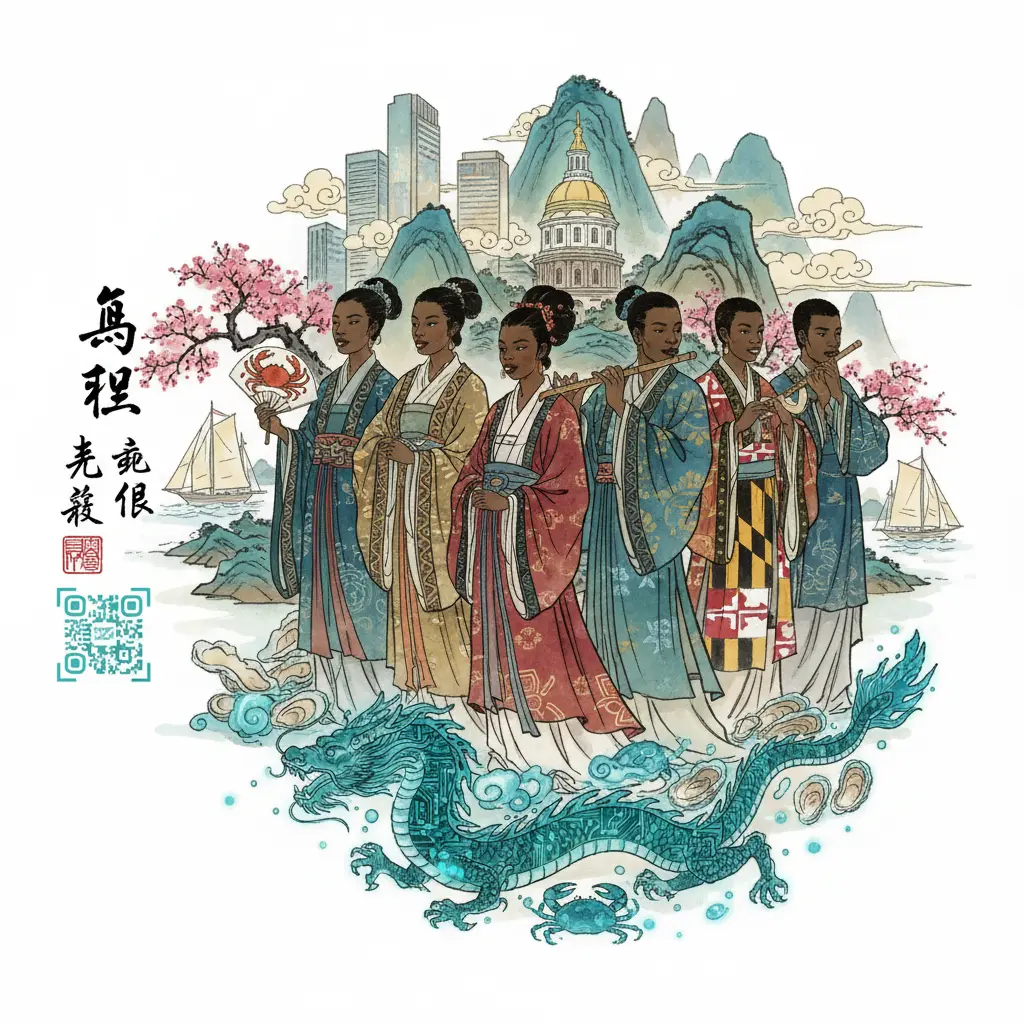
Professional illustration about Americans
Maryland Historical Sites
Maryland is a treasure trove of historical sites that reflect its rich colonial history, political history, and multicultural state identity. From the cobblestone streets of Baltimore to the serene shores of the Chesapeake Bay, the state offers a diverse array of landmarks that cater to history buffs, tourists, and locals alike. One of the most iconic sites is Fort McHenry, where the Star-Spangled Banner was born during the War of 1812. This historic landmark not only symbolizes American resilience but also serves as a focal point for tourism industry growth in the region. Nearby, the USS Constellation, the last all-sail warship built by the U.S. Navy, offers a hands-on glimpse into 19th-century naval life, blending education with immersive storytelling.
For those interested in African Americans' contributions to Maryland’s history, the Reginald F. Lewis Museum in Baltimore stands out. It’s one of the largest African American museums on the East Coast, showcasing narratives of resilience, creativity, and activism. Similarly, the Harriet Tubman Underground Railroad National Historical Park on the Delmarva Peninsula honors the legendary abolitionist’s life and work, offering scenic trails and exhibits that highlight her daring escapes and advocacy for freedom. These sites are critical for understanding the state’s role in the fight for civil rights and its ongoing commitment to diversity and inclusion.
Maryland’s political history is equally fascinating, with Annapolis serving as a hub for early American governance. The Maryland State House is the oldest state capitol still in continuous legislative use and was briefly the U.S. Capitol in 1783–1784. Its proximity to Washington, D.C., makes it a must-visit for those exploring the roots of American democracy. The state’s political leanings—historically leaning toward the Democratic Party but with strong Republican Party pockets—add layers to its narrative, especially in areas like the rural Appalachian Mountains versus urban centers like Baltimore.
Religious and cultural landmarks also abound. The Basilica of the National Shrine of the Assumption in Baltimore, America’s first Catholic cathedral, is a masterpiece of neoclassical architecture and a testament to the state’s religious diversity. Meanwhile, sites like the Baltimore Pride monuments celebrate Maryland’s vibrant LGBTQ community, reflecting its progressive values. The University of Maryland often partners with these sites for research and innovation, ensuring their preservation while fostering economic development through tourism.
Nature and history intersect beautifully in Maryland, particularly along the Potomac River and Atlantic Ocean. The Chesapeake Bay Maritime Museum delves into the bay’s ecological and cultural significance, tying environmental conservation efforts to the region’s natural resources. For a deeper dive into Native American heritage, the Piscataway Park offers insights into the tribes that first inhabited the area, with artifacts and exhibits that bridge past and present.
Whether you’re exploring the transportation infrastructure that shaped trade routes or the population density shifts that influenced urban development, Maryland’s historical sites provide a window into the forces that shaped the state. From battlefields to museums, each location tells a story of innovation, struggle, and triumph, making Maryland a living classroom for anyone eager to understand America’s complex tapestry.
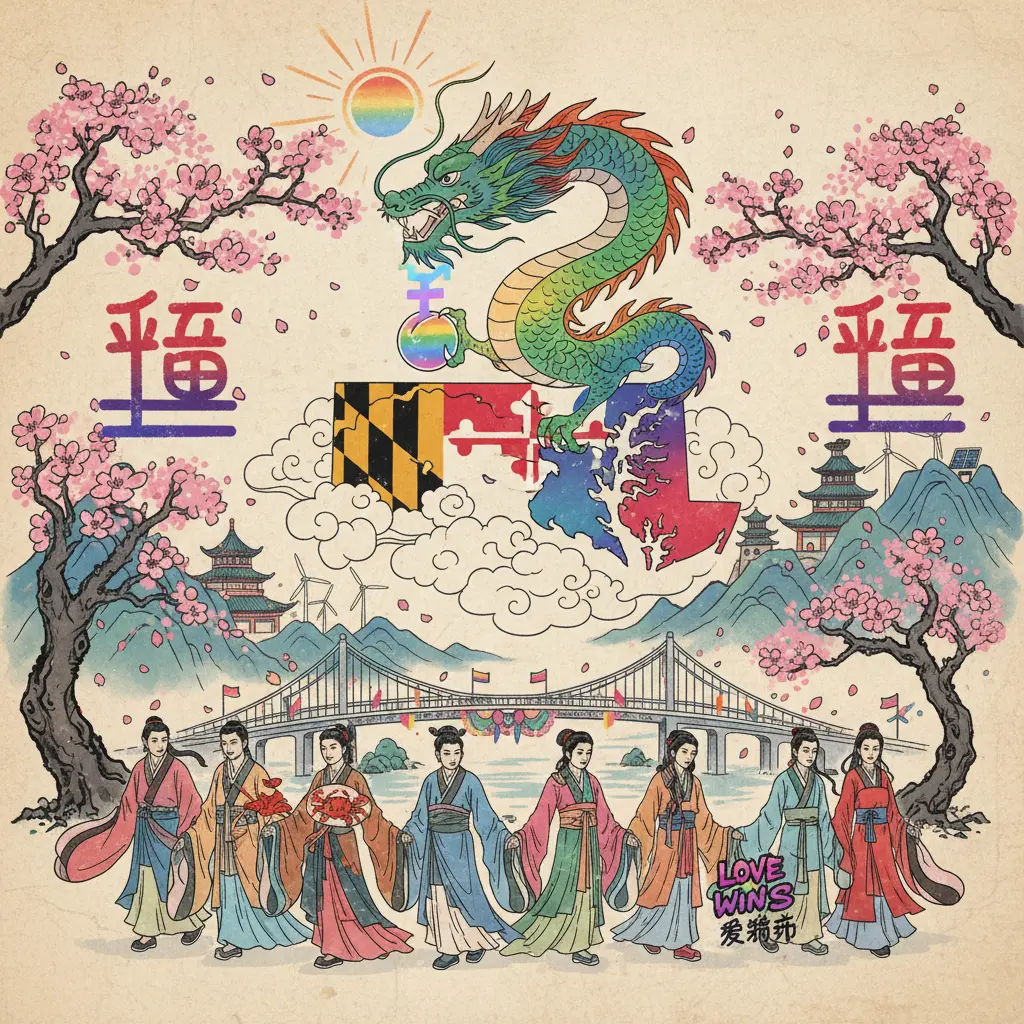
Professional illustration about LGBTQ
Maryland Business Climate
Maryland's business climate in 2025 is a dynamic blend of economic development, innovation, and diversity, making it a standout hub for entrepreneurs and established corporations alike. Nestled between Washington, D.C. and the Atlantic Ocean, the state leverages its strategic location to attract industries ranging from biotechnology to federal contracting. The University of Maryland and other research institutions fuel cutting-edge advancements in health care and technology, while Baltimore's revitalized waterfront and historic landmarks draw both tourism and investment. With a multicultural state population that includes significant African American, LGBTQ, and Native American communities, Maryland thrives on inclusive policies that foster creativity and collaboration.
One of the state's strongest assets is its transportation infrastructure, which includes the Port of Baltimore—one of the busiest on the East Coast—and easy access to major highways like I-95. This connectivity supports industries reliant on natural resources, such as shipping and agriculture, particularly on the Delmarva Peninsula. Meanwhile, Maryland's commitment to environmental conservation ensures sustainable growth, especially around the Chesapeake Bay, where eco-tourism and seafood industries flourish. The Potomac River and Appalachian Mountains further enhance quality of life, attracting talent who value outdoor recreation alongside urban opportunities.
Politically, Maryland's lean toward the Democratic Party has shaped progressive policies in education and health care, though the Republican Party maintains influence in rural areas. This balance encourages bipartisan support for business-friendly initiatives, such as tax incentives for startups and grants for green energy projects. The state's colonial history and political history also play a role, with Annapolis serving as a living museum that boosts the tourism industry. For businesses, this means operating in a place where heritage meets modernity, offering unique branding opportunities.
However, challenges like high population density in urban corridors and competition with neighboring D.C. require savvy navigation. Companies that tap into Maryland's research ecosystem—such as those partnering with federal agencies or universities—often gain a competitive edge. Sectors like cybersecurity (anchored near Fort Meade) and life sciences (centered around Johns Hopkins) are particularly strong. Additionally, the state's Catholic and other faith-based institutions contribute to a robust nonprofit sector, creating partnerships for corporate social responsibility programs.
For businesses eyeing expansion, Maryland offers a recipe for success: a skilled workforce, diverse consumer base, and policies that prioritize long-term growth over short-term gains. Whether you're launching a tech startup in Rockville or a sustainable fishery on the Eastern Shore, the state's business climate is designed to help you thrive. Just remember to engage with local communities—African American-owned enterprises in Baltimore or LGBTQ-friendly firms in Silver Spring—to build authentic connections in this multicultural state.

Professional illustration about Catholic
Maryland Cost of Living
Maryland Cost of Living: What to Expect in 2025
Living in Maryland offers a unique blend of urban excitement and natural beauty, but it’s no secret that the cost of living here is higher than the national average. Whether you’re drawn to Baltimore’s vibrant arts scene, the Chesapeake Bay’s waterfront charm, or the proximity to Washington, D.C. for career opportunities, understanding the financial landscape is key. Here’s a breakdown of what you need to know:
Housing Costs
Housing is the biggest expense for most Marylanders. In 2025, the median home price in the state hovers around $450,000, with significant variations depending on location. For example, suburban areas near D.C., like Bethesda or Silver Spring, command premium prices, while smaller towns near the Appalachian Mountains or the Delmarva Peninsula are more affordable. Renters aren’t off the hook either—a one-bedroom apartment in Baltimore averages $1,800/month, while luxury units in downtown D.C.-adjacent neighborhoods can exceed $3,000.
Everyday Expenses
Groceries, utilities, and transportation add up fast. Maryland’s transportation infrastructure is robust, but gas prices and tolls (like those on the Potomac River crossings) can strain budgets. The state’s population density also means higher prices for goods and services compared to rural areas. However, Maryland’s multicultural state identity shines in its diverse food markets, where you can find affordable international groceries to offset dining-out costs.
Education and Healthcare
Families will appreciate Maryland’s top-ranked public schools and renowned institutions like the University of Maryland, though private education and university tuition fees are steep. On the healthcare front, the state’s health care system is robust but costly—insurance premiums are above the national average, partly due to Maryland’s emphasis on innovation and research in medical fields.
Taxes and Political Impact
Maryland’s political history as a Democratic Party stronghold influences its tax structure. Income taxes are progressive, with top earners paying up to 5.75%, and property taxes vary by county. Sales tax sits at 6%, but exemptions for groceries and prescription drugs help lower-income residents. The state’s focus on economic development and environmental conservation also means incentives for green energy upgrades, which can offset long-term costs.
Quality of Life vs. Cost
While Maryland isn’t cheap, its natural resources, historic landmarks, and tourism industry contribute to a high quality of life. From the Atlantic Ocean beaches to the colonial history of Annapolis, there’s plenty to explore without spending a fortune. The state’s diversity—home to thriving African American, LGBTQ, and Catholic communities—also fosters inclusive living environments that many find worth the premium.
Tips to Save
- Consider hybrid work setups to reduce commuting costs if you’re near D.C.
- Explore first-time homebuyer programs for economic development incentives.
- Take advantage of free historic landmarks and state parks for low-cost recreation.
In short, Maryland’s cost of living reflects its advantages—proximity to major cities, top-tier education, and a multicultural state vibe—but savvy budgeting is essential to thrive here in 2025.